Three things to take away
- Tests such as a tilt test or a hearing test can show signs of a condition between episodes.
- A normal result on a calm day gives researchers something to compare an episode against.
- Tell the study team about any episode since your last visit, even a mild one.
Tests that bring on signs in a watched setting
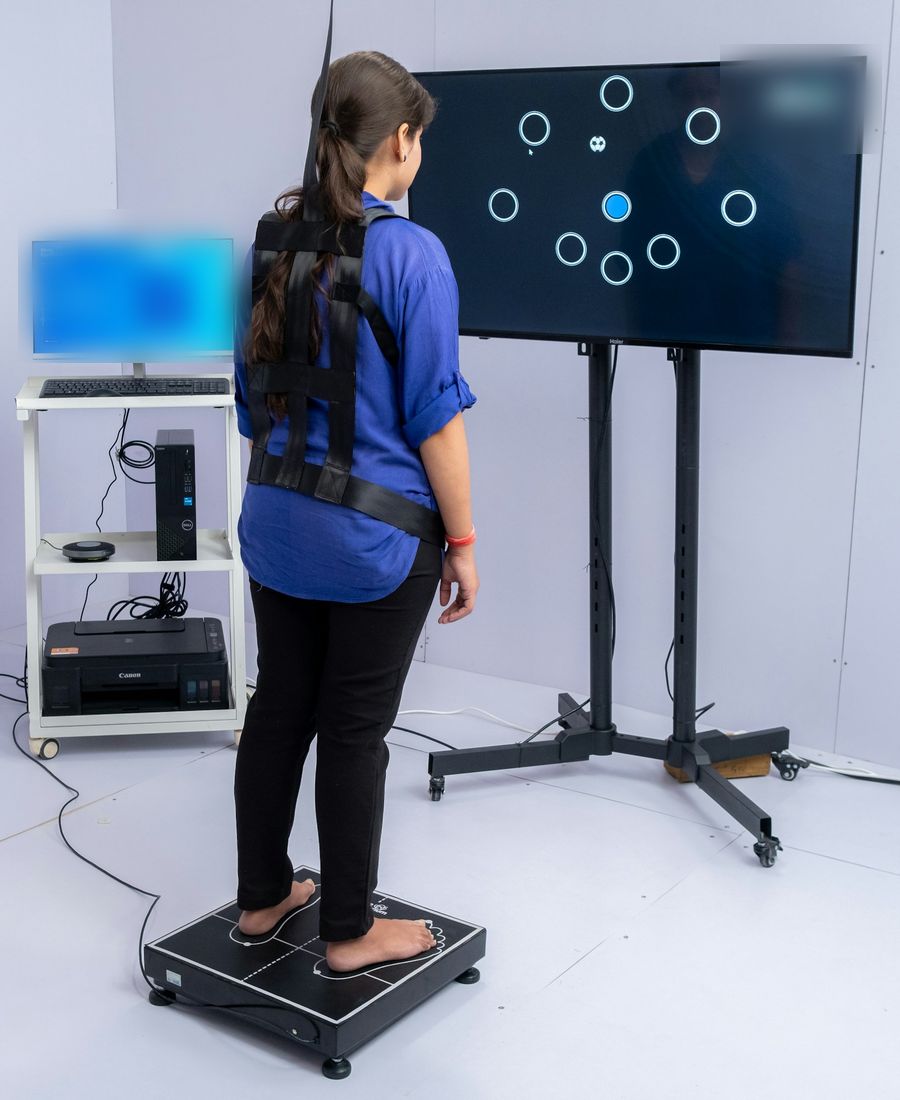
Some tests set out to provoke a mild version of an episode, safely and with staff beside you. For POTS, a tilt table test moves you from lying flat to nearly upright while your heart rate and blood pressure are tracked. A simpler stand test does much the same in a clinic room, as you get up from lying down.
These tests show how your body handles a known challenge, so they can be repeated in the same way at later visits and compared. Staff stay with you throughout, and the test is stopped if you feel faint or unwell. You can also ask to stop at any point.
Traces a condition leaves between attacks
Other tests look for changes that remain even when you feel fine. In Ménière’s disease, a hearing test can show a loss in the low tones that lingers between vertigo attacks, and balance tests show how the inner ear is working. In trigeminal neuralgia, a scan may look at the nerve and the blood vessels lying close to it.
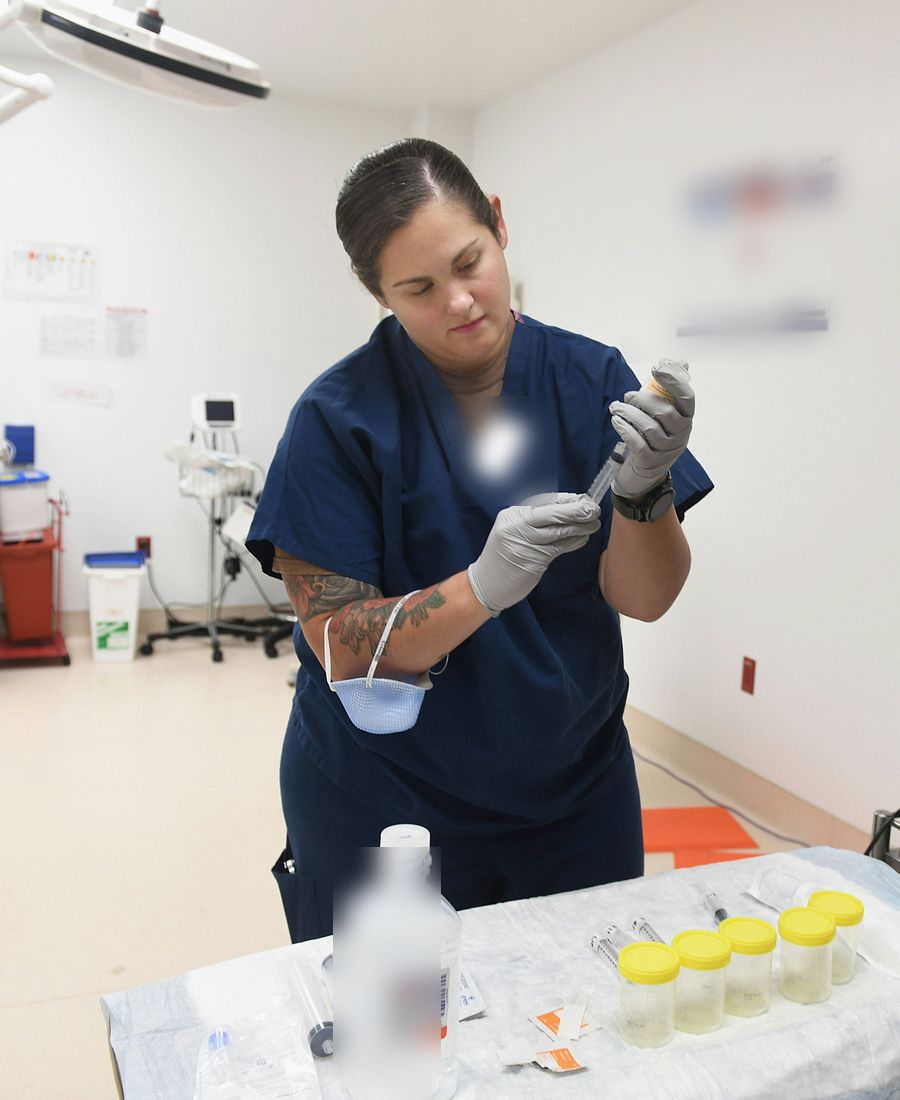
Blood tests matter in several areas. In chronic hives, they can look for signs that the immune system is reacting against the skin’s own cells, something research links to hives that last longer. In recurrent pericarditis, they look for markers of inflammation that can climb as a return begins. An ultrasound scan of the heart can show whether fluid has collected in the sac around it.
Why “nothing showed today” still counts
A normal result on a good day is not a wasted visit. In atrial fibrillation, a steady heart tracing between episodes is expected, and it gives researchers your usual rhythm to set against any recording from an episode. That contrast often tells them more than either result alone.
Calm-day results also show whether something is shifting slowly in the background. A study might follow hearing over months, or the heart’s structure over a longer span, to see whether a quiet condition is really standing still. Each normal result adds to a record that only makes sense when read over time.
Getting ready for a visit when you are well
Some tests need simple preparation. A tilt test may ask you to skip a heavy meal or caffeine beforehand, and a heart scan is easier in clothes that open at the front. The study team sends its own instructions ahead of each visit, and you can ask about anything that is unclear.
Tell the team about any episode since your last visit, even a mild one, because it may change how they read the day’s results. If you feel an episode starting during a visit, say so straight away. Staff can then record it as it happens, which a study of episodes rarely gets to see.