Three things to take away
- Patches, recorders and home checks capture episodes that happen away from the clinic.
- Pressing a button or taking a reading as an episode begins helps the team link what you felt to the recording.
- Most monitors are not watched live, so severe symptoms still need emergency services.
Heart patches and wearable recorders
In atrial fibrillation and POTS, studies often use a small patch stuck to the chest that records the heart’s rhythm without a break for days or weeks. Other recorders clip to a belt with wires to the chest, or are switched on only when symptoms start. Some studies use a tiny recorder placed just under the skin of the chest in a minor procedure, which can stay much longer.
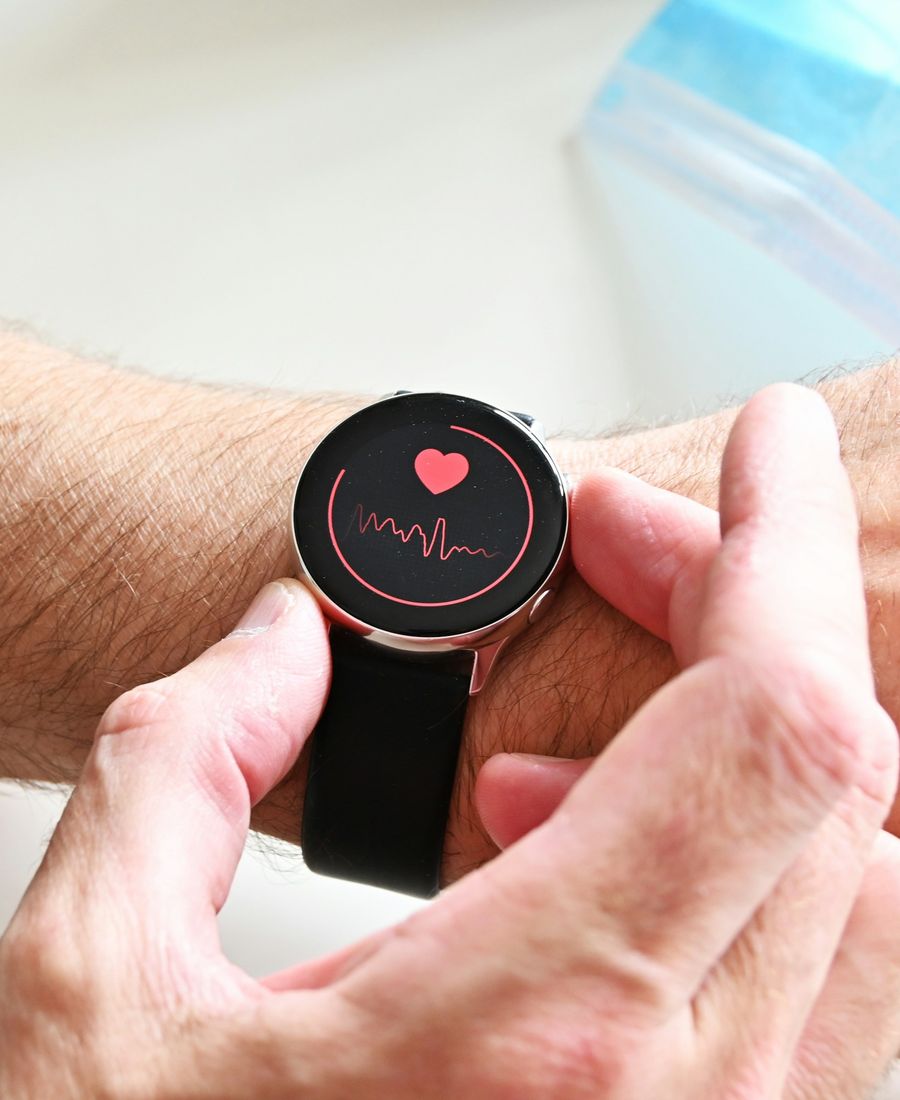
Many of these devices have a button to press when you feel an episode begin. That marks the moment, so the team can line up what you felt with what your heart was doing. In POTS studies, a monitor may also follow your heart rate as you move from lying to sitting to standing through an ordinary day.
Phone-linked devices and checks at home
Some studies give you a small device that takes a short heart tracing when you rest your fingers on it, then sends it to the team through a phone app. Others ask you to check your blood pressure and heart rate at home, lying down and then standing, at times the study sets.
Home checks reach other areas too. In chronic hives, a study may ask you to photograph welts or swelling as they appear and again as they fade, since they are often gone by the next visit. In Ménière’s disease, some research looks at simple hearing checks done at home during and after an attack. The team shows you how to use each one and what to do if it fails.
What the devices collect and who reads it
A heart monitor records the heart’s electrical signals, and some also record movement. A photo shows what welts or swelling looked like at that moment. Home readings capture numbers at set times. Each study explains what its devices collect and whether anything is gathered beyond what you would expect.
Recordings usually go to the study team and to staff trained to read them, often on a set schedule rather than the moment they arrive. Ask whether anyone watches the readings live. Most studies do not, so a monitor is never a reason to delay calling emergency services if you feel very unwell.
How long a monitor stays on, and daily life with it
A patch is often worn for a few days to a few weeks, and some studies repeat it at later stages. A recorder under the skin can stay for a long time and is taken out when no longer needed. The study team tells you the timeline before you agree to anything.
Most monitors let you carry on with ordinary life, though some need care around showers, swimming or hard exercise. If the skin under a patch gets sore or a device stops working, tell the team. Wearing a monitor does not replace your usual care, and questions about your treatment still go to your own doctor.